From Cozy to Complex: Spooky Season Players Uncover Ethical Gifting Dilemmas in Moonlight Peaks
As autumn draws in new players seeking a spooky vibe, the Moonlight Peaks community is debating the moral implications of enabling character flaws through the gifting system.
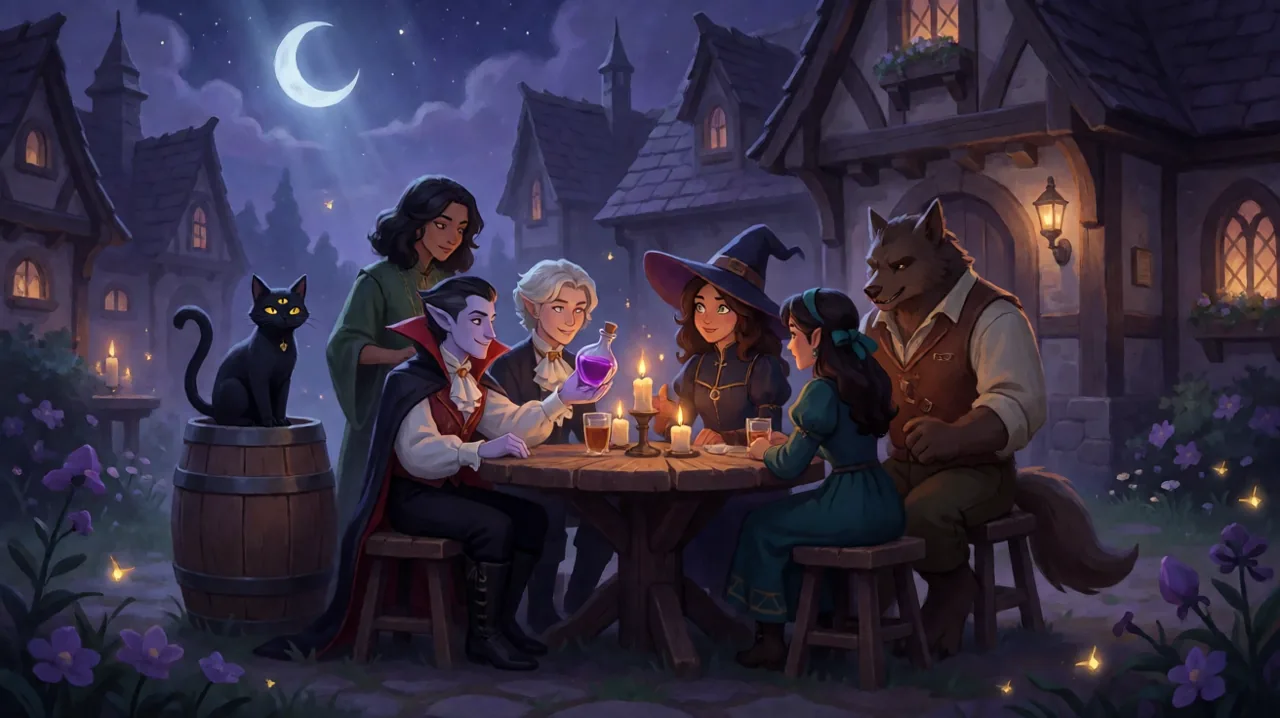
As the crisp autumn breeze rolls in and the leaves begin to turn, the gaming community is officially entering “spooky season.” For many, this is the perfect time to boot up something with a gothic, magical, or slightly eerie aesthetic. Naturally, Moonlight Peaks is experiencing a significant surge in popularity. Released earlier this year across PC, Nintendo Switch, Switch 2, and Android, the game has already established a dedicated, passionate fanbase. However, October is bringing a fresh wave of supernatural farmers to the valley. But as new players settle into their immortal lives, they are quickly discovering that the game’s relationship mechanics are sparking intense, unexpected ethical debates across community forums.
The “Vampire Animal Crossing” Phenomenon
A recent post on the r/GirlGames subreddit perfectly encapsulated the current mood, recommending the title as the ultimate spooky season experience. The user described it as being “extremely similar to Animal Crossing, but you’re a vampire.” This comparison is drawing in thousands of players who love the core loop of building a town, customizing a living space, and interacting with a colorful cast of local residents.
However, labeling Moonlight Peaks as simply a dark coat of paint over typical cozy life simulators does a disservice to its narrative ambition. While you certainly can spend your nights tending to enchanted crops, fishing under the moonlight, and carefully breeding your Draculamb livestock, the social fabric of the town is far more intricate than its contemporaries. The residents are not just quirky, cheerful neighbors; they are werewolves, witches, mermaids, and fellow vampires, many of whom have lived for centuries and carry the heavy baggage of the seven families’ intertwined histories. This narrative weight is exactly what led to the community’s latest, highly discussed controversy regarding how we interact with these characters.
The Controversial Gifting Debate
The lifeblood of any social simulation game is its friendship and romance system. Traditionally, games in this genre rely on a straightforward transactional mechanic: figure out what an NPC loves, give it to them repeatedly, and watch the heart meter fill up. But what happens when an NPC’s “loved” item is something that is actively harmful to their well-being?
This exact question erupted on the r/cozygames subreddit this week. A curious—and somewhat alarmed—player asked the community about a specific, community-reported scenario. The player wanted to know if it was true that to befriend a certain character who had narratively expressed struggles with alcoholism, they were required to gift him beer or other alcoholic beverages to efficiently increase their friendship level. The user noted that the concept felt “insane” for a cozy game to encourage.
This single question ignited a massive debate about the intersection of gameplay mechanics and narrative integrity. In most games, players don’t think twice about checking a wiki for a character’s favorite gifts and mindlessly handing them over every single day. If a character likes a specific food, you simply cook it in bulk and deliver it. But Moonlight Peaks seems to have unintentionally—or perhaps very intentionally—challenged this habit. If a character confesses a deep, personal struggle with addiction, and the game’s code still registers their “addiction” as a top-tier loved gift that provides maximum friendship points, it creates a fascinating moral dilemma for the player. Are you supposed to enable their destructive behavior just to get a higher relationship score and unlock the next dialogue event? Or are you expected to take the harder, slower path of gifting neutral items out of respect for their narrative journey?
Is it an Oversight or a Morality Test?
The discussion surrounding this reportedly controversial mechanic has completely split the player base. Some argue that it might simply be an oversight in the game’s massive database of items and preferences. Balancing the likes and dislikes of over fifteen romanceable characters, alongside the broader town population, is a monumental task for any development team. It is entirely possible that certain beverages were tagged as universally liked items for adults early in development, without the team accounting for the specific, nuanced dialogue writers added to a particular character later in production.
Conversely, a vocal segment of the community believes this friction is a deliberate design choice meant to test the player. Immortals in Moonlight Peaks are heavily flawed individuals. They are dealing with centuries of trauma, bitter family rivalries, and personal demons. If the game simply removed the temptation to enable these flaws, it would strip away player agency. Giving players the option to be a “toxic” enabler who feeds bad habits for a quick gameplay advantage makes the choice to be a genuinely supportive friend much more meaningful.
This isn’t the first time players have questioned the ethics of interactions in the game. Similar, albeit less intense, discussions have occurred regarding other items and activities. For instance, is it ethically sound to gift a struggling witch the chaotic ingredients for an Alter Ego Elixir, knowing the unpredictable effects it can have on their psyche? Is it appropriate to offer cursed artifacts excavated from the mines to members of the seven families who are actively trying to move past their dark ancestral history? These narrative wrinkles add a layer of roleplaying depth rarely seen in the genre.
Healthy Alternatives for the Conscientious Vampire
For players who feel uncomfortable exploiting a character’s flaws for friendship points, the community has been actively compiling lists of alternative, healthier ways to build relationships in the game. The good news is that there are multiple avenues for social progression that do not rely on crossing personal boundaries.
First and foremost, never underestimate the power of simply talking. Engaging in daily dialogue yields consistent, if slow, relationship growth. For a more interactive approach, challenging the resident to a game of Nokturna is highly recommended. Not only does this card game provide a fun, strategic diversion from your agricultural duties, but spending time playing it provides a solid boost to your social standing with that character.
If you still want to bring presents, focus on universally appreciated, high-effort items. Instead of reaching for a questionable beverage, consider utilizing your magical prowess to brew a benign, high-quality health potion. Spending time at your crafting station to create beautiful furniture, or harvesting perfectly grown magical crops from your farm, shows dedication without compromising narrative integrity. Even presenting a rare catch from a late-night fishing trip, or bringing your pet three-eyed hellcat along for a visit, can spark unique, positive interactions.
The Beauty of Imperfection
The fact that players are having these deep, ethical debates about a character’s well-being is a massive testament to the strong writing and atmospheric world-building of the game. The influx of spooky season players expecting a simple, breezy “Animal Crossing with fangs” are finding themselves completely immersed in a valley filled with complex personalities and moral gray areas. Whether the gifting mechanic in question is a genuine developer oversight or a brilliant narrative test, it has undeniably elevated the discourse surrounding the game, proving that true coziness doesn’t have to shy away from character flaws and difficult decisions.