Moonlight Peaks Nokturna Guide: Rules, Deckbuilding & Card Sources
Learn Moonlight Peaks' Nokturna card game: match rules, the 20-card and 60-point deck limits, every confirmed opponent, card sources, archetypes, and a safe first-deck plan.
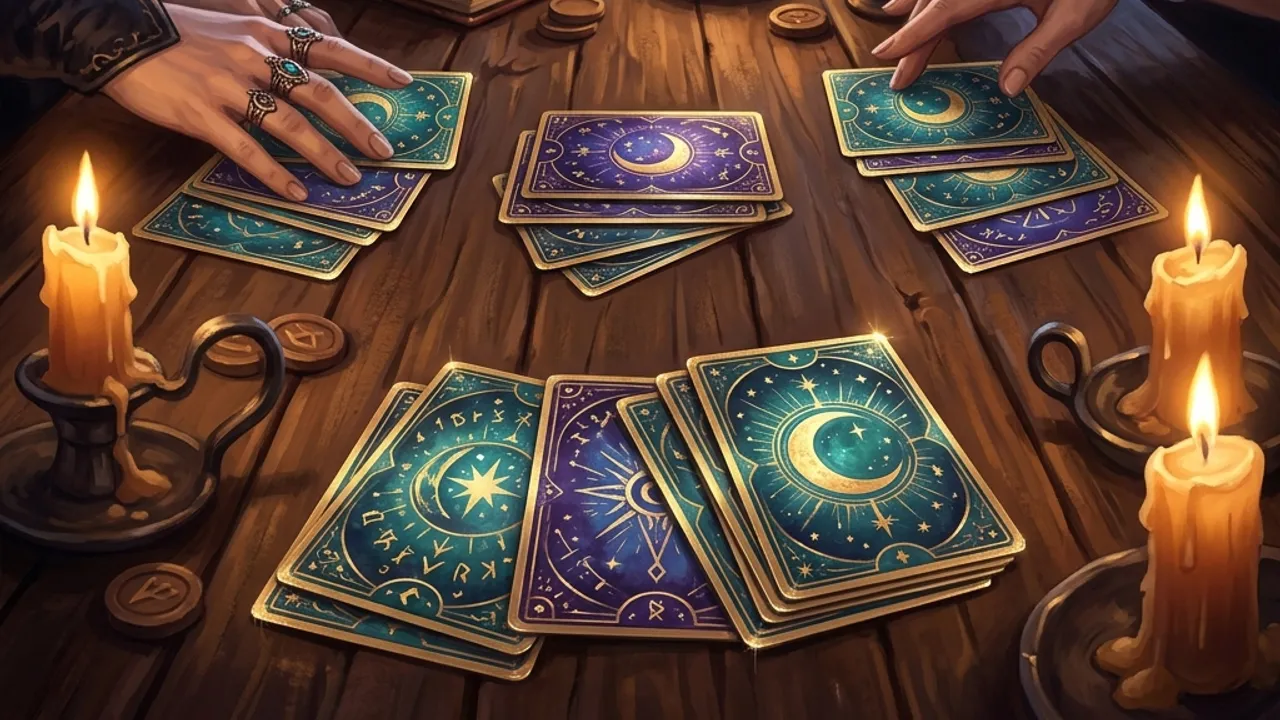
Nokturna is Moonlight Peaks’ in-world card game, created by Dragan. It is a proper deckbuilding side activity, not a one-button minigame: you collect cards in the world, build legal custom decks, choose when to commit a card’s printed value or effect, and challenge residents for matches. This guide uses the published rules from the Official Moonlight Peaks Wiki and deliberately avoids invented card values or “best deck” claims that cannot be reproduced from the current card pool.
Match rules: the short version
A Nokturna match is best of three rounds. The first player to win two rounds wins the match. Each round contains three turns, and the player with the highest total score when that round ends takes it. If the overall match ends tied, neither player is declared the winner.
Both players begin a match with a five-card opening hand. On a normal turn you play one card from your hand. Printed points contribute to your score, but abilities can change the board, affect another card, or set up a later turn. That is why simply playing the highest number as soon as it appears is not always the strongest move.
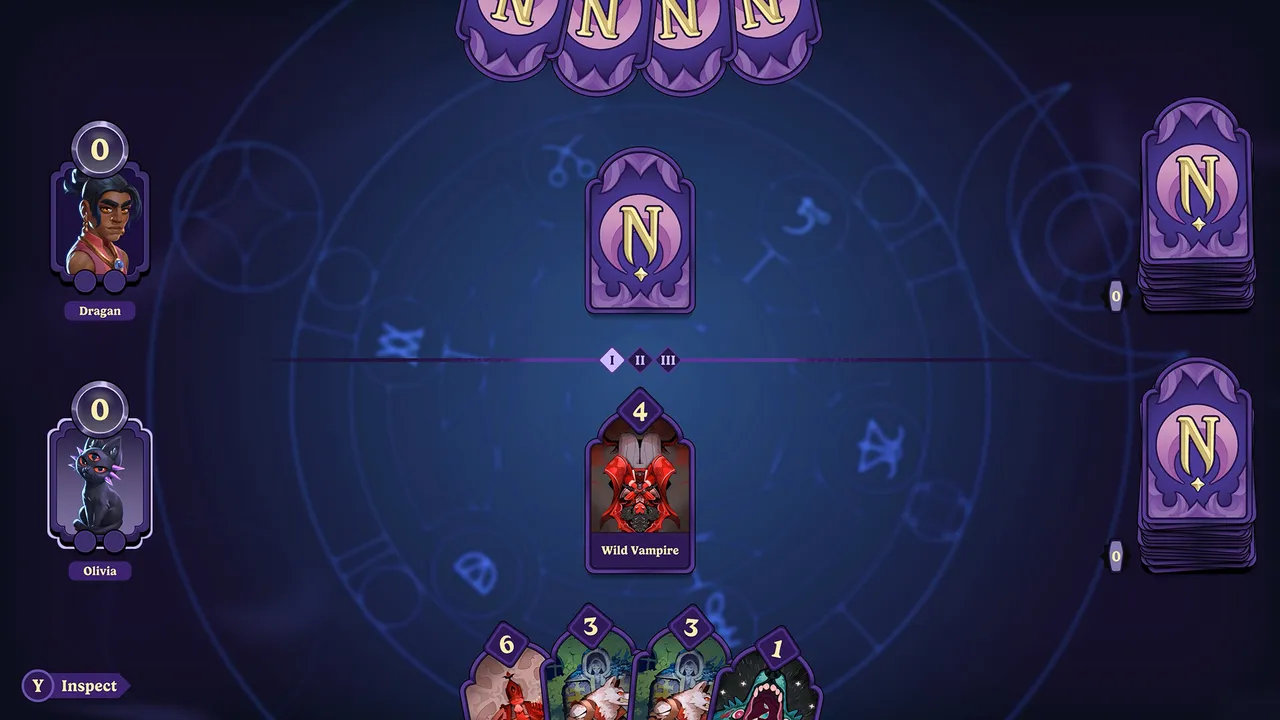
Some cards persist beyond their immediate turn, while a newly played Location replaces the Location that was already active. Read the card text before playing it and think one turn ahead: replacing a Location only makes sense when its effect is more useful than the effect you are giving up.
Deckbuilding rules
Nokturna’s deck restrictions are clear and useful when you are still collecting cards:
| Rule | Limit |
|---|---|
| Cards in a custom deck | Exactly 20 |
| Copies of one card | Maximum 2 |
| Total printed points | Maximum 60 |
| Saved custom decks | Up to 13 |
| Opening hand | 5 cards |
Build the legal shell first. Do not fill every slot with expensive cards just because their printed number looks good: the 60-point cap means a deck needs cheaper cards to make room for its finishers. Likewise, a two-copy maximum stops one powerful effect from carrying a deck by itself. The constraint is the point of the system—it makes you decide what each card is doing for your plan.
A practical first-deck plan
Start with one coherent idea rather than trying to include every card you have found. The official wiki identifies five broad synergy groups: Werewolf, Vampire, Aquatic, Plant, and Animal. Many cards become stronger when paired with cards from the same family, so a deck built around one group—or at most two compatible groups—will normally be easier to pilot than a pile of unrelated high-point cards.
Use this conservative build order:
- Pick the group you have the most playable cards for.
- Add the cards that directly reward that group or protect its board state.
- Use lower-point utility cards to stay under 60 printed points.
- Add only a small number of off-theme cards, and only if they solve a clear problem such as drawing, flipping, or playing an additional card.
- Save the deck under a descriptive name, then change one or two cards after a loss instead of rebuilding from scratch.
Persist cards can create value over several rounds, making them particularly useful in a longer match. Location cards can also swing a board, but only one can be active at a time. Treat them as timing decisions: play one when it improves your next turns, not merely because it is available.
Where to get cards
The confirmed card sources are spread through the normal exploration loop:
- Dig spots
- Diving spots
- Fishing
- Bat nooks
- Winning Nokturna matches
That mix means the card collection grows naturally while you are doing other goals. Keep an eye on card rewards while exploring instead of turning every evening into a single-purpose grind. Once you have enough cards for a legal 20-card deck, start playing; match wins are themselves a confirmed source of further cards.
Every confirmed opponent
Talk to an eligible resident and choose Invite to challenge them. The official list currently includes Death, Dragan, Elvira, Evan, Ludo, Luna, the Moon Goddess, Noel, Pumpkin Head, Tae, and Winston. A loss is still useful information: it shows which score pattern or board effect beat your current build, and gives you a reason to adjust only the weak part of the deck.
For players who are working through the social side of the game, Nokturna is also an easy way to make an evening feel intentional rather than wandering the map without a plan. It complements, but does not replace, the relationship progression described in the romance guide.
Common mistakes to avoid
The fastest way to make Nokturna feel random is to ignore the limits and card text. Check all three before every match:
- Is the deck exactly 20 cards and within the 60-point cap?
- Are you running more than two copies of any one card?
- Will a new Location overwrite a useful existing one?
- Does this card score now, or does it become better after another turn or another matching card?
There is no single universally best deck stated in the published rules. The sound approach is to use the strongest coherent strategy your own collection supports, learn how it loses, and adjust from evidence rather than copying a screenshot with unexplained card choices. For broader completion planning, see the achievements guide and the tips guide.
Frequently asked questions
How do you win a Nokturna match in Moonlight Peaks?
A match is best of three rounds. Win two rounds to win the match; each round has three turns and goes to the player with the highest total score at its end. A tied match has no winner.
What are the Nokturna deckbuilding rules?
A custom deck must contain exactly 20 cards, no more than two copies of the same card, and no more than 60 printed points in total. You can save up to 13 custom decks, and each match begins with five cards in hand.
Where do you get Nokturna cards?
Confirmed sources are dig spots, diving spots, fishing, bat nooks, and winning Nokturna matches.
Who can you challenge to Nokturna?
The official wiki lists Death, Dragan, Elvira, Evan, Ludo, Luna, the Moon Goddess, Noel, Pumpkin Head, Tae, and Winston as opponents.
Sources
Related guides
Keep exploring — hand-picked guides that pair well with this one.
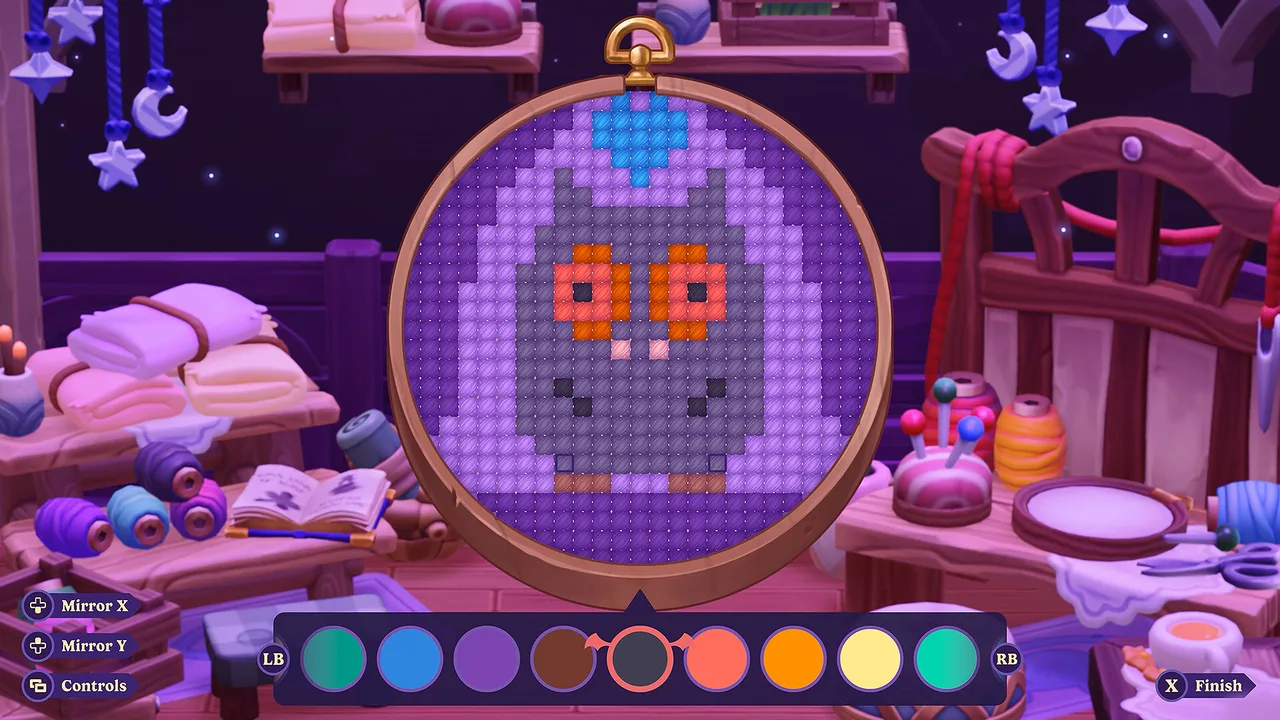
Moonlight Peaks Embroidery: Cross-Stitch Patterns & Decor
How embroidery works in Moonlight Peaks — stitching pixel-art patterns on a hoop, the colour palette and mirror tools, and using your designs as decoration and gifts in the cozy vampire sim.
Read guide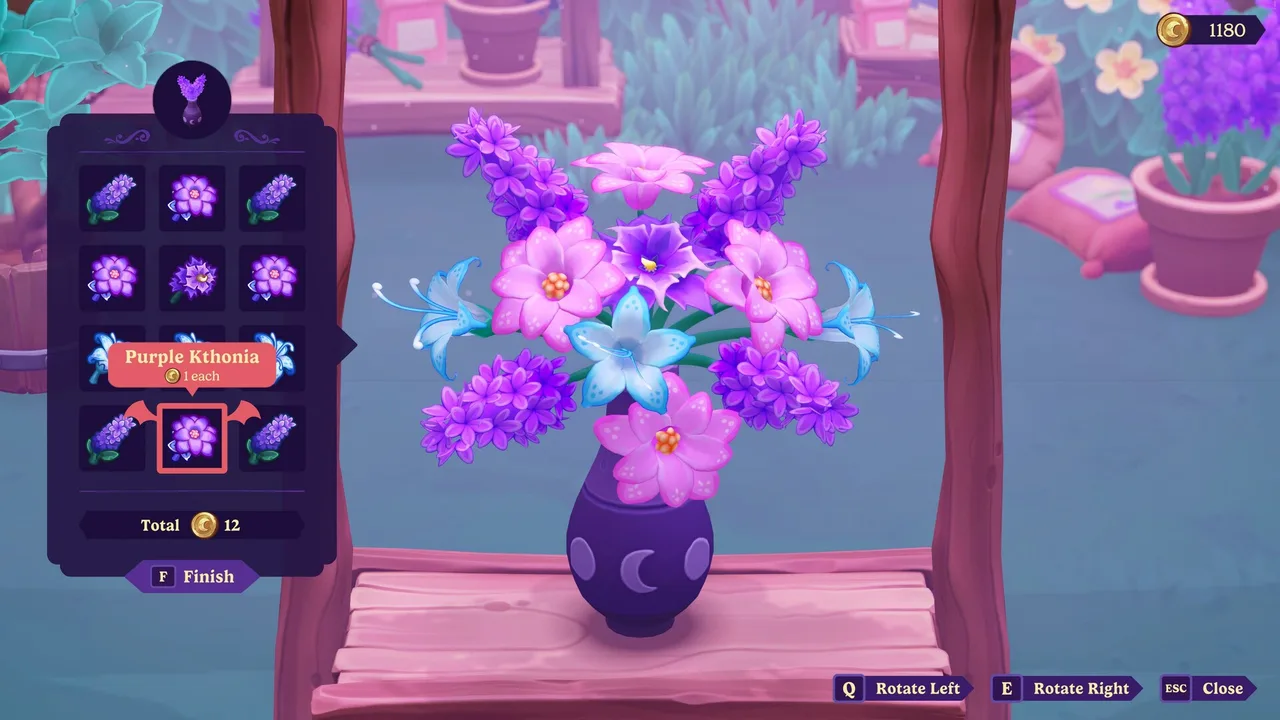
Moonlight Peaks Flower Arranging: Bouquets, Flowers & Gifts
How flower arranging works in Moonlight Peaks — building bouquets from the flowers you grow, the cost of stems, and using arrangements as gifts and decoration in the cozy vampire sim.
Read guide
Moonlight Peaks Mina Romance Guide: Best Gifts & Birthday
How to romance Mina in Moonlight Peaks: safe loved gifts, her Summer 16 birthday, Coffee & Coffins, flower-arranging date, and marriage route.
Read guide