The Unexpected Telenovela Drama of Dating in Moonlight Peaks
Discover why the romance system in Moonlight Peaks is turning into a supernatural telenovela, from Noel's slug phobia to Mina's surprising affection.
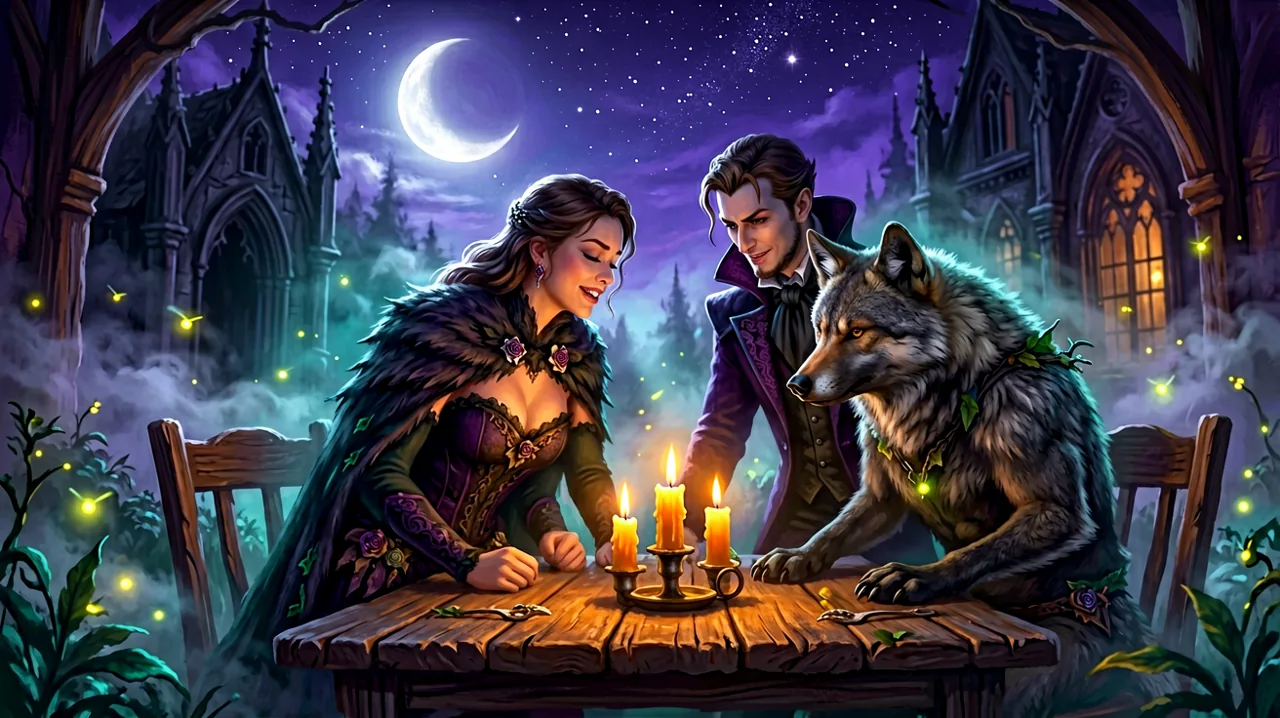
When developer Little Chicken Game Company and publishers XSEED Games and Marvelous brought Moonlight Peaks to PC, Nintendo Switch, Switch 2, and Android earlier this summer, the cozy gaming community knew they were getting a charming supernatural farming simulator. Players eagerly anticipated growing enchanted crops, brewing complex Alter Ego Elixirs in their witch cauldrons, and utilizing their shapeshifting bat form to traverse the misty gothic town. What we perhaps did not expect was that the game’s relationship mechanics would slowly morph into a high-stakes, emotional telenovela for so many members of the community.
The social fabric of the game is built around its diverse cast of supernatural residents—vampires, werewolves, witches, and mermaids—many of whom trace their lineage back to the town’s mysterious founding families. With over 15 romanceable characters available, the dating scene is robust and entirely LGBT+ inclusive. However, as players settle into the long-term loop of farm management and relationship building, fascinating narratives are emerging organically from the game’s highly specific behavioral systems. From awkward candlelight dinners to unexpected flirtations during morning coffee runs, the community is sharing stories that sound more like a supernatural soap opera than a traditional cozy farming sim.
Choosing Your Immortal Path
Recently, a player on the r/cozygames subreddit asked for recommendations between Moonlight Peaks and Kynseed for their Nintendo Switch 2. It is a fascinating comparison because it highlights exactly what makes the social mechanics here so unique. Where Kynseed offers a multi-generational legacy where your characters grow old and pass on their farm to their children, Moonlight Peaks places you in the immortal, ageless existence of a vampire.
You literally have all the time in the world. This immortality means that relationships aren’t rushed by the ticking clock of a mortal lifespan. Instead, they simmer, build, and sometimes stagnate, leading to the kind of slow-burn drama players are currently experiencing. The game leans heavily into the dark, cozy aesthetic, and its romance options come with deep character flaws, specific hyperfixations, and quirks that deliver an experience that feels deeply personal and sometimes hilariously messy.
The Reality of Monogamy and Meeting the Parents
One of the most praised aspects of the relationship system is how it handles relationship milestones. Moving past the casual dating phase requires intentional effort, but players are reporting that the transition to strict monogamy feels surprisingly weighty. In a recent community thread that has garnered significant attention, a player recounted their lengthy journey of chasing Noel, a confident and flirtatious supernatural resident who initially swept them off their feet by showing up unannounced for a surprise candlelit dinner.
However, the game does not simply hand you a happily-ever-after without effort. Dates can and will go wrong if you aren’t prepared. The player noted that their character’s low initial compatibility made their very first date incredibly awkward, forcing them to leave before they even sat down to eat. This dynamic system means you have to work to charm your prospective partners.
Once you do break through and establish a monogamous relationship, the game features a significant and slightly terrifying milestone: introducing your partner to your parents. For a vampire protagonist trying to prove they can survive in the supernatural world and manage an estate without relying entirely on their dark legacy, bringing a romantic partner home to the traditional vampire family adds a delightful layer of narrative tension. For a comprehensive look at how these milestones function, you can review our marriage strategies.
The Embroidery Date Dilemma
While the initial stages of romance are thrilling, maintaining a long-term relationship requires regular date activities. The game offers various ways to spend time together, ranging from casual morning coffee runs to partaking in sit-down hobbies. However, players are discovering that these recurring dates can sometimes reveal the more mundane reality of an immortal relationship.
Our community member shared that they eventually grew incredibly bored of the repetitive embroidery dates with Noel. It is a fascinating critique of the late-stage romance loop. While the embroidery minigame itself is a massive hit with the wider community—players have been proudly sharing their custom designs like the “Mushrooms of Moonlight Peaks” and the adorable “Sluggy” patterns on social media—doing it constantly as a mandatory date activity can quickly lose its romantic spark. You can learn how to maximize your creative output in our embroidery overview, but you might want to avoid making it your only dating strategy.
Furthermore, spending so much time with one character inevitably reveals their hyper-specific hyperfixations. In Noel’s case, players have realized his entire personality seems to revolve around three distinct things: collecting valuable diamonds, talking about fishing, and actively avoiding slugs. When your immortal partner only wants to talk about avoiding garden pests while you are trying to weave a romantic narrative, it is easy to see how players might start getting “the ick.” It is a testament to the writing team that characters have such distinct, sometimes annoying flaws, making them feel like real people rather than perfect romantic mannequins.
Enter Mina: The Anime Art Toggle and Unexpected Affections
Just when a player might be reconsidering their monogamous commitment due to slug-related fatigue, the game has a way of throwing a narrative wrench into the works. The town is alive, and NPCs have their own schedules, behaviors, and hidden depths. While on a routine coffee run to escape the boredom of the farm, our aforementioned player found themselves on the receiving end of some surprisingly heavy flirting from Mina.
Mina is a character that some players initially write off, often because her default portrait can make her seem quite young or innocent compared to the protagonist. However, the community has highlighted a highly appreciated, albeit community-reported, UI feature: the ability to toggle to an “anime art” style in the game’s settings. By switching to this alternate artwork, many players have found characters like Mina visually align better with their aesthetic preferences, entirely shifting how they perceive the town’s social dynamics.
Mina’s behavior in-game is reportedly quite forward, completely contrasting her initial appearance. The player described a scenario where they gave Mina a casual hug and tried to pull away, but the NPC refused to let go, responding with a clingy, “just a little longer…” This level of programmed assertiveness from an NPC adds incredible spice to the daily routine. Suddenly, the player is swept up in a love triangle of their own making, contemplating abandoning the repetitive embroidery dates with Noel to explore this surprising new spark. If you want to know more about winning her over, check out our Mina walkthrough.
Navigating the Romance Mechanics: Tips for Heartbreakers
If you are finding yourself caught in a similar web of supernatural romance, managing your farm while juggling multiple suitors, here are a few things to keep in mind regarding the game’s mechanics:
- Pace Yourself: Because your character is immortal, there is absolutely no need to rush into a monogamous relationship by Year 1. Take the time to experience the casual dating events for all the candidates across the different factions.
- Pay Attention to Dialogue Flags: Characters will drop clear hints when their affection reaches certain thresholds. If you aren’t ready to commit or want to avoid breaking hearts, be careful about the dialogue options you select during these high-affection interactions.
- Gift Strategically, Not Desperately: If you are trying to win over someone like Noel, prioritize high-value items like diamonds. However, do not ignore their dislikes; bringing anything remotely related to slugs near Noel is a quick way to drain your relationship meter.
- Change Scenery: If you are tired of standard dates, try suggesting different activities. Take your partner fishing (which Noel loves) or utilize your bat form to explore the misty peaks together at night. Expanding your shared activities can prevent the relationship from feeling stagnant. You can find more activities in our dark diversions and hobbies breakdown.
The Evolving Social Dynamics of the Seven Families
The drama unfolding in the community is exactly what makes life simulation games thrive. This experience is not just about planting cursed crops, playing the Nokturna card game, or tending to your flock of Draculambs and three-eyed hell kittens. It is deeply rooted in the messy, complicated lives of the people living in the shadows.
The developers have managed to create a social ecosystem where characters feel distinct, relationships require actual maintenance, and wandering eyes can lead to dramatic breakups. As players continue to uncover the deep-seated secrets of the seven founding families, we expect to see even more complex relationship dynamics emerge. Will there be long-term consequences for breaking Noel’s heart? How does the rest of the town react to a messy public breakup? These are the questions the community is actively testing.
For now, if you are playing, remember that behind every cozy farming session lies the potential for a sprawling, emotional telenovela. Whether you are seeking a multi-generational farming experience elsewhere or a dramatic immortal romance here, the current landscape of cozy gaming on the Switch 2 and PC has something incredibly special to offer. Just remember to check the art style settings, keep an eye out for assertive witches and mermaids, and whatever you do, keep the slugs away from your dates.